Every shop narrates. Mine began in a one-car garage with a squeaky vise, a hand-me-down jack airplane, and a lot more stubbornness than ability. Years later, after lots of DIY furniture projects and client develops, I've found out that the right devices do not just make job much easier, they boost judgment. You feel the grain quicker, see troubles earlier, and surface pleased instead of relieved. If you're developing out a DIY device set or upgrading to professional woodworking tools, right here's a grounded, experience-driven overview to the top woodworking tools for 2025, with hard-won suggestions, risks to prevent, and where to spend or save.
What "Top Devices" Really Means for Woodworkers
The best tools for woodworking are not just the most expensive or the newest. They are the ones that help you work more secure, much faster, and a lot more properly, while fitting your room and style. A cabinetmaker cutting dovetails in cherry needs a various kit than a homeowner renovating an utility room. The overlap is genuine, however, and that's the focus right here, from essential tools for carpentry to tools for crafting furniture, with a mindful eye to affordable tools for DIY that stand up beyond novice woodworking projects.
Think of your setup in layers. First, timber prep and design. Second, reducing and joinery. Third, emerging and assembly. Ultimately, completing. Each layer has a couple of standouts that deserve getting once and maintaining for years.
Hand Tools That Make Their Keep
I keep reaching for the same few hand devices. They never need a battery and rarely stop working at a turning point. They additionally teach control.
A low-angle block aircraft belongs on top of any kind of woodworking hand tools guide. It trims end grain easily, reduces sharp edges, and subjugates happy joints after glue-up. I tune mine with a minor camber and maintain it scary sharp. On a maple cupboard door, that aircraft has actually saved me from fining sand with veneer more times than I intend to admit.
A 12-inch mix square is your format compass. Get a great one with a satin blade you can in fact review. The square, 45, and adjustable blade make it essential for step-by-step DIY guides when you're setting out mortises, focusing hardware, or examining saw setup.
Japanese pull saws have blown up in appeal completely reason. A ryoba saw provides you both hole and crosscut teeth, and you can reduce flush without altering the surface area. If you cut tenons by hand, a specialized dozuki backsaw leaves crisp shoulders in hardwoods. For quick DIY repairs and maintenance, a pull saw will certainly surprise you, especially when a power cord is out of reach.
A 3/4-inch bench carve, sharpened to a mirror, opens mortises, pares joint gains, and trims syncs. Include a 1/4-inch for smaller joinery and you'll cover 90 percent of what beginners and pros do. Buy suitable steel when. Honing is the actual skill, and it's the difference between frustration and flow.
Don't forget a noting knife. A fine scribe line informs your saw where to go and gives your carve a shoulder to register versus. A mechanical pencil is fine for rough marks, yet a knife line makes joinery appearance intentional.
For clamps, you can get by with a little set, yet buy the very best you can pay for and include as you go. Parallel-jaw clamps remain square and spread pressure uniformly throughout panel glue-ups. F-style clamps are lighter and faster when you're improvisating a jig or pressing a face structure. A couple of spring clamps handle tasks like covering up off for surface or holding cauls.
These hand tools are not just for traditionalists. They accelerate https://www.toolazine.com/ power tool operations and fix what devices get nearly right. I still grab my block plane after running a board with a jointer, just to remove equipment marks on figured walnut.
Power Devices for Home Renovation and Fine Work
Cordless devices are a lot more capable than ever, and corded mainstays still matter. If you're balancing DIY home improvement tips with furniture-grade precision, focus on trustworthy depth modification, stable fencings, and dirt collection that you will actually use.
A portable plunge router with a 1/4-inch collet is the blade of the power-tool world. Roundovers, chamfers, dados, mortises, inlays, flush trimming, hinge recesses-- it does them all. For advanced woodworking techniques, a full-size router with a 1/2-inch collet mounted in a router table offers you cleaner cuts in thick woods and safer taking care of for account little bits. Maintain a sharp flush-trim little bit with a spiral flute for reducing template shapes with the grain and a pattern bit for functioning from the contrary direction to avoid tear-out.
A track saw turned my sheet goods from a wrestling match into a one-person job. If you develop cabinets or DIY furniture projects from plywood, a track saw plus a sacrificial foam board on the flooring defeats trying to stabilize a 4x8 on a jobsite table saw. With riving knife and splinter guard called in, cuts are glue-line ready.
The table saw stays the backbone for lots of shops, but it's not spiritual. In a limited area, a good track saw and a tiny bandsaw can replace. If you do own a table saw, a top notch fence and a thin-kerf combo blade take you far. Utilize a microjig or press shoe. I have actually kept all ten fingers by being spiritual concerning blade guards and riving knives.
A 12-inch gliding substance miter saw is amazing for casing, baseboard, and trim-heavy DIY home enhancement. For furniture, accuracy depends on configuration. Adjust the fence, change the factory blade with a fine-tooth crosscut, and look for head deflection at full expansion. I treat mine like a dedicated crosscut terminal, coupled with a stop block system for repeatable cuts.
A benchtop planer is your gateway to custom thickness and cleaner glue-ups. Despite S4S boards, a go through the planer pairs pieces more detailed for panels. Add a dust collection agency or at the very least a strong shop vac, because planers eliminate chips like a snowblower. I've had terrific results with straight knives for pine and a helical go to gnarly hardwoods.
A bandsaw makes its keep quickly, particularly if you like creative woodworking ideas. It cuts curves, holes narrow strips securely, and resaws veneers. Learn to track the blade effectively, established stress, and square your fencing. A sharp 3/8-inch, 4 TPI blade will certainly manage most tasks. For tight curves, decrease to 1/4-inch.
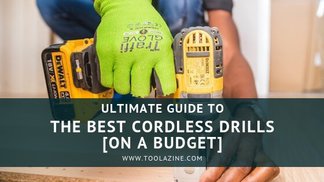
A cordless drill and effect vehicle driver combination may be the most previously owned power devices in any kind of shop. The drill burns out tidy openings with brad-point bits; the effect driver drives screws without cam-out. Obtain a right-angle add-on for cabinetry mounts in tight corners.
Measuring, Marking, and the Peaceful Job of Accuracy
Layout is the silent foundation of high quality. Pros don't measure more, they determine smarter.
I maintain a 16-foot tape for harsh job and a 6-inch steel ruler for whatever delicate. A facility punch and an awl offer pierce bits a target. A wheel marking scale is ideal for regular tenon shoulders, paralleling edges, and establishing reveal lines on doors and drawer faces.
For squareness past the little square, a trustworthy 24-inch straightedge functions as a track saw check and a tabletop flatness recommendation. A digital angle gauge assists establish blade tilt on saws within a tenth of a degree. Overkill? Not when you're gluing up a mitred waterfall joint that needs to match.
For novices wondering how to start woodworking without a full store, invest early in these layout fundamentals. They make every tool extra exact, and they lug across easy DIY home projects, DIY crafts and ideas, and significant furnishings builds.
Dust, Safety, and the Sort of Gear You Only Miss Once
I functioned one winter months with a basic store vac and a paper mask. The cough showed me greater than any kind of YouTube video. If you use woodworking tools and equipment even a few hours a week, focus on dust removal. A mid-size dirt collection agency with a pleated filter catches the fines that hang in the air. If space or budget plan is tight, a high-static-pressure store vac with a HEPA filter and a cyclone lid on a pail will surprise you. Lasting, your lungs will certainly say thanks to you.
Hearing and eye defense are non-negotiable. I maintain over-ear muffs hanging on every machine so I have no reason. Comfy shatterproof glass reside in a little tray at the door. A push block or GRR-style device is affordable insurance on the table saw and jointer. The best DIY services are the ones you'll in fact utilize, so set things up so security is easy.
Workholding, Jigs, and the Magic of an Excellent Bench
A strong workbench changes how you function. It doesn't need to be a European heirloom. A plywood torsion box on strong legs with a front vise and canine openings will certainly clamp nearly anything. For setting up, a level surface and a handful of cauls wrapped in packing tape prevent stuck-on accidents.
I maintain a couple of best jigs: a straightforward crosscut sled, a taper jig for legs, a router mortising jig, and a pocket opening jig for quickly, solid casework. Some woodworkers sneer at pocket screws. I utilize them to construct store furniture, carcasses concealed by face frameworks, and components. They are a convenience, not a religion.
Blades, Bits, and the Hidden Prices That Matter
Sharp edges are the cheapest performance upgrade. Saw blades dull slowly, so people neglect just how poor their cuts have come to be. Keep a general 40-tooth combination on the table saw, a devoted hole blade for thick supply, and a fine 80-tooth for plywood and veneered panels. Send blades out for honing when you see shed marks or feel resistance.
Router bits that in fact reduced cleanly are worth the premium. A spiral upcut little bit removes chips and leaves crisp mortises. A compression little bit decreases tear-out on plywood sides when made use of with a router table or CNC. For hand drills, brad-point little bits defeat spin bits in wood by a mile, drilling cleaner openings that register dowels accurately.
Chisels, planes, and blades live or pass away by sharpening. Whether you go diamond plates or water stones, devote to a procedure. I maintain a strop billed with compound near the bench, and a min on it keeps a side alive. If you only remember something right here, remember this: honing turns annoying tasks right into satisfying ones.
Picking the Right Tool for Your Room and Budget
A suburban garage, a basement area, or a common makerspace will shape your choices. If you're tight on area, a track saw, portable router, benchtop planer, and bandsaw form a modular backbone. They leave, roll aside, and handle 80 percent of DIY woodworking projects and serious furniture work.
For affordable DIY solutions, search for reconditioned or gently made use of professional woodworking tools. Older cast-iron makers from reliable brand names commonly outlive more recent plastic-heavy models. Replace bearings, song fences, and include a contemporary blade or little bit. A $400 used bandsaw can exceed a $700 new one if it was well made to start with.
Weight accuracy over rate as you begin. Newbies commonly presume a table saw is necessary. If the price or space harms, begin with a track saw, a great square, and patience. With cautious format and a sharp blade, you'll obtain cabinet-grade results and discover a heap about just how timber behaves.
Furniture-Grade Outcomes With a Do It Yourself Mindset
When you move from fundamental fixings to tools for crafting furniture, tolerance stacks begin to matter. That's when a jointer enters the discussion. You can joint a side with a No. 7 hand airplane and a straightedge. It's slower, quieter, and strangely gratifying. A little benchtop jointer, coupled with a planer, rates points up for tables, doors, and panels. If budget plan forces an option, acquire the planer initially, then flatten one referral face by hand or with a sled prior to thicknessing.
For cabinets and closet doors, a dedicated setup lowers mistakes. I keep a tiny router set just for a 1/4-inch straight little bit and another for roundovers throughout large runs. For frame-and-panel doors, a cope-and-stick collection on a router table provides consistent accounts. Take superficial passes, work in phases, and test on offcuts. Wood moves with moisture, so leave a millimeter of seasonal wiggle in panels and do not adhesive them in.
Tips that Conserve Time, Wood, and Sanity
I learned the hard way that almost every mistake begins prior to the cut. Milling stock to last density too early invites bending as boards adapt. Leave parts a little bit fat overnight after a first milling pass, then slip up on the last measurement the following day.
Glue-ups go better when you dry-fit with clamps and cauls, mark whatever with carpenters' triangles, and keep a damp rag nearby. I always established a 30-minute timer after glue-up to capture any type of glue squeeze-out that increases late and to fix any type of shift before it treatments to stone.
When building from the very best woodworking plans you find on-line, expect to adapt. Equipment differs, timber thickness can be off by a millimeter, and areas are never ever square. Use plans as a baseline and measure your real parts. The most effective strategies include real dimensions and parts listings, but the wise builder confirms two or 3 vital fits with prototypes in scrap first.
Two clever starter packages for various goals
- Apartment-friendly DIY tool kits: track saw with a 55-inch rail, small plunge router, cordless drill and effect combo, low-angle block plane, 3/4-inch carve, 12-inch mix square, handful of F-style clamps, HEPA shop vac with cyclone lid. Furniture-focused small store: cabinet table saw or track saw plus bandsaw, 2 hp dirt collection agency, benchtop planer, router table with 1/2-inch collet router, collection of parallel-jaw clamps, jack and block aircrafts, bench knives in 1/4, 1/2, 3/4-inch, marking scale, digital angle gauge.
Where Pros Invest and Where They Do n'thtmlplcehlder 106end. Spend on the parts that figure out accuracy. A square fencing, a level table, a steady miter scale, a real track, a strong router lift. Affordable consumables cost even more long-term if they shed wood or babble, so get respectable blades and bits. Save on the parts that are mainly takes care of and housings. A good straightedge, a solid bench you build yourself, shop-made jigs, and storage space solutions. I've utilized plywood for clamp shelfs, french cleats for wall surface storage, and a moving base I built from scraps for my planer. It looks humble and works perfectly. Edge Cases and When to Damage the Rules
If you operate in recovered lumber, wire-brush and check for nails with a metal detector prior to sending out anything through a planer. A solitary nail can chip a helical head and spoil your day. For live-edge slabs, a router sled flattens wide surface areas without a monster jointer. It's unpleasant however efficient, especially paired with a shop-made dust shroud.
If you do DIY gardening projects or outside builds, pick devices and surfaces accordingly. Exterior screws with corrosion-resistant finishes, a drill vehicle driver with clutch setups tuned to stay clear of stripping in softwoods, and a sander connected to dust extraction make outside benches and planters a lot faster. For DIY decoration ideas, a trim router and a little flush-cut saw take care of picture frames, personalized racks, and side banding.
Short workshop check outs that increase learning
If you're searching for woodworking workshops near me, attempt to pick classes that concentrate on a single skill. A weekend break on hand-cut dovetails or router-based joinery pays off for many years. In-person instruction fixes small practices that video clips do not catch. Borrow their tools, really feel the difference in sharpness, and ask what they would certainly buy first if beginning again. You'll leave with much better method and a clearer buying list.
The Finishing Corner: Where Projects Go From Excellent to Great
Even with top woodworking tools, a bad finish can squash the magic. Keep coating straightforward and repeatable. I make use of wipe-on varnish blends for most furniture, waterborne polyurethane for kid rooms, and shellac for color and rate. Excellent lights shows the fact. Establish a dedicated completing place with a box fan and heater filter to catch dirt. Increase jobs on painters' pyramids, clean with a tack towel, and use a timer in between coats.
An arbitrary orbit sander with good discs, attached to dust extraction, is the workhorse. Begin at 80 or 120 grit and go up just when the scratch pattern from the previous grit is gone. I pencil scribble on the surface prior to each grit so I can see when I've really covered it. Absolutely nothing wastes even more time than sanding one area to 220 and leaving a 120 scratch that telegraphs through finish.
Balancing Aspiration and Joy
Woodworking for home renovation is commonly about solving issues easily. Furnishings structure can be a lengthy discussion with a single piece of wood. Both gain from devices that fit your hands and your habits. An excellent set isn't a prize shelf, it's a companion in the work. If you deal with each purchase as a vote for accuracy, safety, and repeatability, your shop will certainly begin to seem like it's on your side.
If you're simply starting, pick a small job with clear joinery and build it twice. Initially in ache, 2nd in the hardwood you like. Maintain notes. Which tools really felt clumsy, which felt all-natural? That responses will lead the following enhancement to your toolkit much better than any type of checklist, including this one.
A couple of final, functional recommendations
- For affordable tools for DIY, check regional classifieds for contractor-grade corded tools. An utilized 1.5 to 2 hp router defeats a shiny but flimsy brand-new one. Treat measuring devices like tools. Don't allow them topple in drawers. An easy wood rack safeguards them and maintains them in reach. Put wheels under heavy devices to redeem room. Locking wheels on a secure base allow you roll the planer out and tuck it away, that makes little shops feel big. Keep a tiny offcut container of usual woods. When you require to test a surface, drill dimension, or transmitting depth, sacrificial scraps pay for themselves.
The listing of top woodworking tools in 2025 isn't a collection of brand badges. It's a thoughtful collection that assists you cut cleaner, fit tighter, and develop with self-confidence. Whether your following develop is a collection of garage shelves, a table, or a run of built-ins that transform a blank wall right into a library, select devices that make a spot each week. The work improves, the store obtains quieter, and the complete satisfaction expands. That's the most effective statistics there is.